Utilize a free source of water and save thousands in utility & sewer fees annually

Dramatically reduce your project's water footprint with rainwater and condensate reuse

Implementing a rainwater and/or condensate reuse system in your building is a simple and effective way to offset demand from purchased water sources, saving thousands of dollars in water and utility costs. Implementing sustainable, circular infrastructure in your next project with water reuse technology helps reduce the strain on natural water resources and municipal water systems.

See Our OneWater Rain System
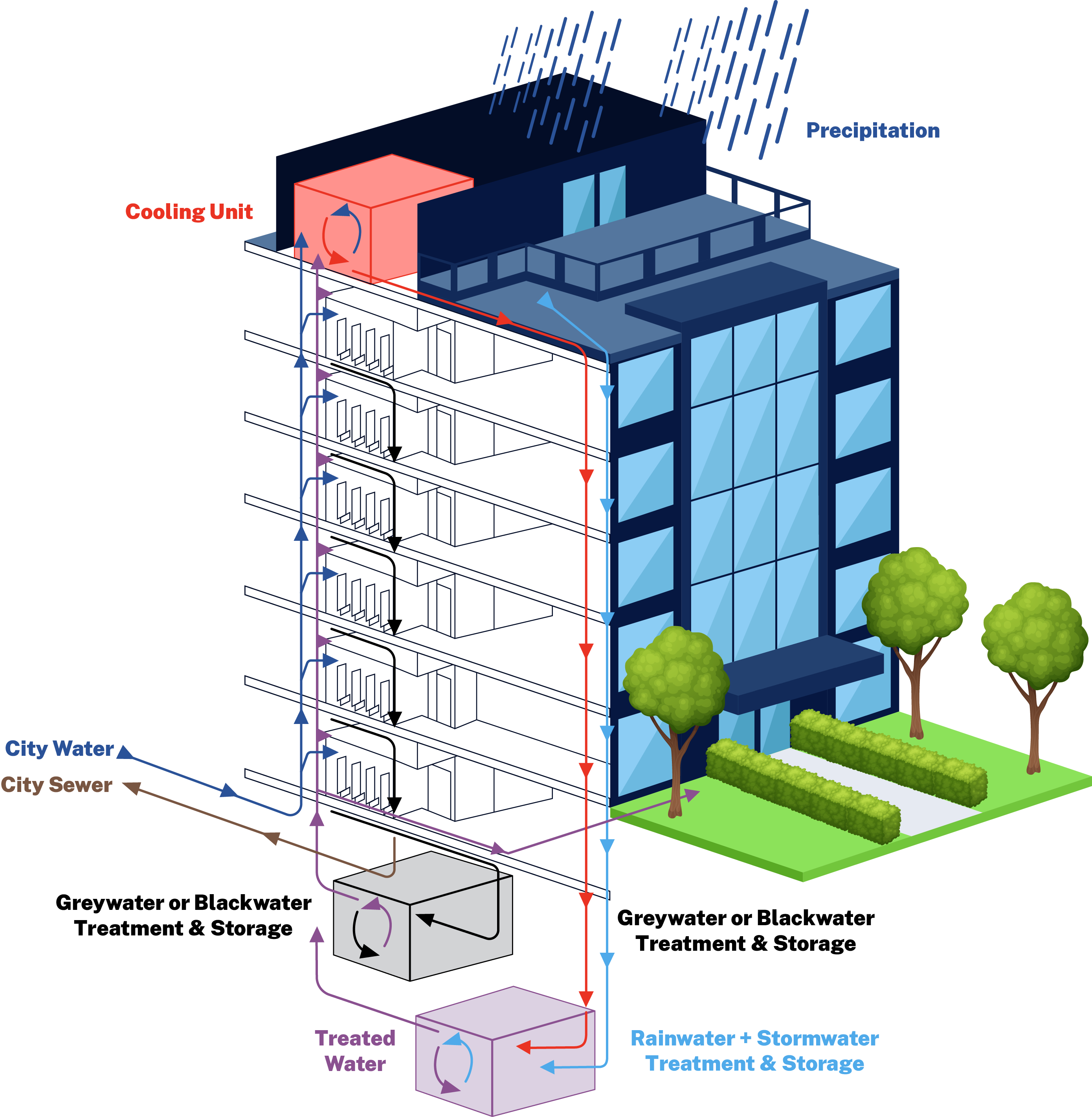
graphic illustration of rainwater + condensate collection from a building and the process of treatment and reuse back into the building
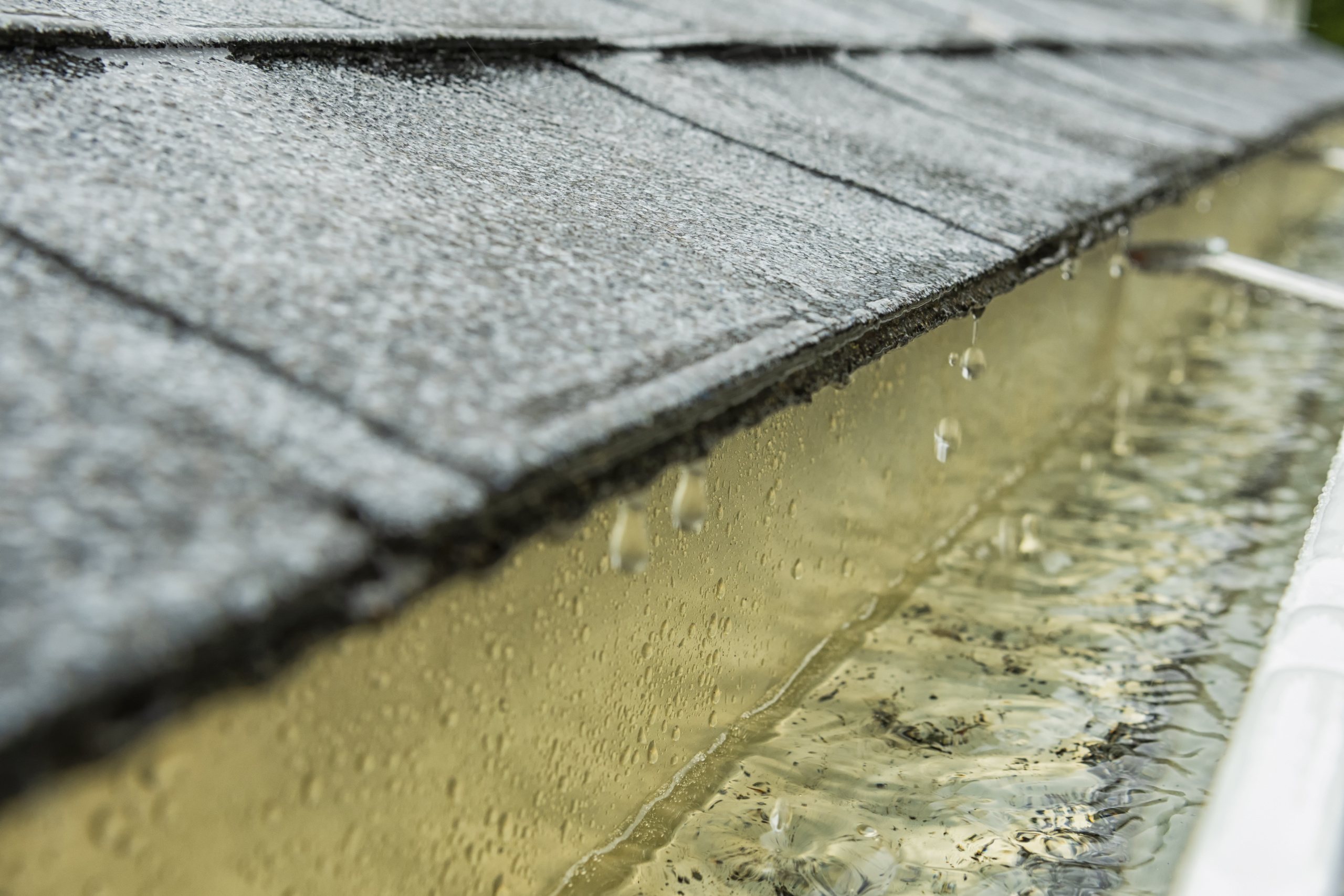
Close-up of rain dripping into aluminum seamless gutters as it runs off the new architectural shingles.

Reinvest resources right onsite

At Epic Cleantec, we approach water management holistically, focusing on maximizing resource efficiency within buildings.

Rainwater and condensate can be reused in landscape irrigation, cooling tower make-up, toilet and urinal flushing, clothes washing, ornamental ponds, and even decorative fountains. Every drop of reused water reduces the amount of potable supply that must be purchased from municipal sources.

Rainwater and condensate reuse systems can be impactful if implemented on their own, or in combination with other water reuse measures, like greywater or blackwater systems. Learn more about our technology and products.

Request a Free Project Assessment

Benefits of rainwater, stormwater, and condensate reuse

  • Water conservation: Reduces dependence on municipal water supplies by capturing and reusing rooftop rainwater and AC condensate as a renewable onsite water source.
  • Cost savings: Decreases water and utility bills for building owners and occupants, particularly in regions with high water rates or water scarcity concerns.
  • Non-potable end use supply: Provides a consistent supply of treated water for approved applications such as toilet flushing, irrigation, cooling tower makeup, and clothes washing.

  • Environmental impact: Reduces energy consumption associated with treating and transporting potable water, lowering the overall environmental footprint of a building's water use
  • Flexible and modular system sizes:  Epic can provide customized solutions — from the OWR-20 to OWR-80 — to fit a range of project sizes and scopes.
  • Meet regulations: Systems are designed to meet local building codes and compliance standards, including pathogen reduction, water clarity, and coliform targets, ensuring a resilient building for years to come.

Rainwater and condensate FAQ

What is rainwater harvesting?

Rainwater harvesting is the collection of rooftop rainwater that is stored, treated, and reused as an alternative water source for non-potable applications within a building. Rainwater is a free and available water source that every building has the potential to capture with minimal equipment needed. Rather than allowing rainfall to run off into the drain, rainwater harvesting systems capture this free and renewable resource onsite, reducing dependence on municipal water supplies and supporting more sustainable building operations.

What is condensate reuse?

Condensate reuse refers to the collection and reuse of the water that drains from an HVAC system as a byproduct of cooling. Large scale commercial buildings can produce a high volume of HVAC condensate. Condensate drainage can be collected, treated, and used as an alternative water source for non-potable applications in the building. Condensate from cooling systems is generally considered “good” water- as pure as distilled water and low in mineral content. Commercial-sized air conditioning systems can generate 500-2,000+ gallons of condensate discharge per day depending on a building’s HVAC equipment and location.

What are the typical treatment steps?

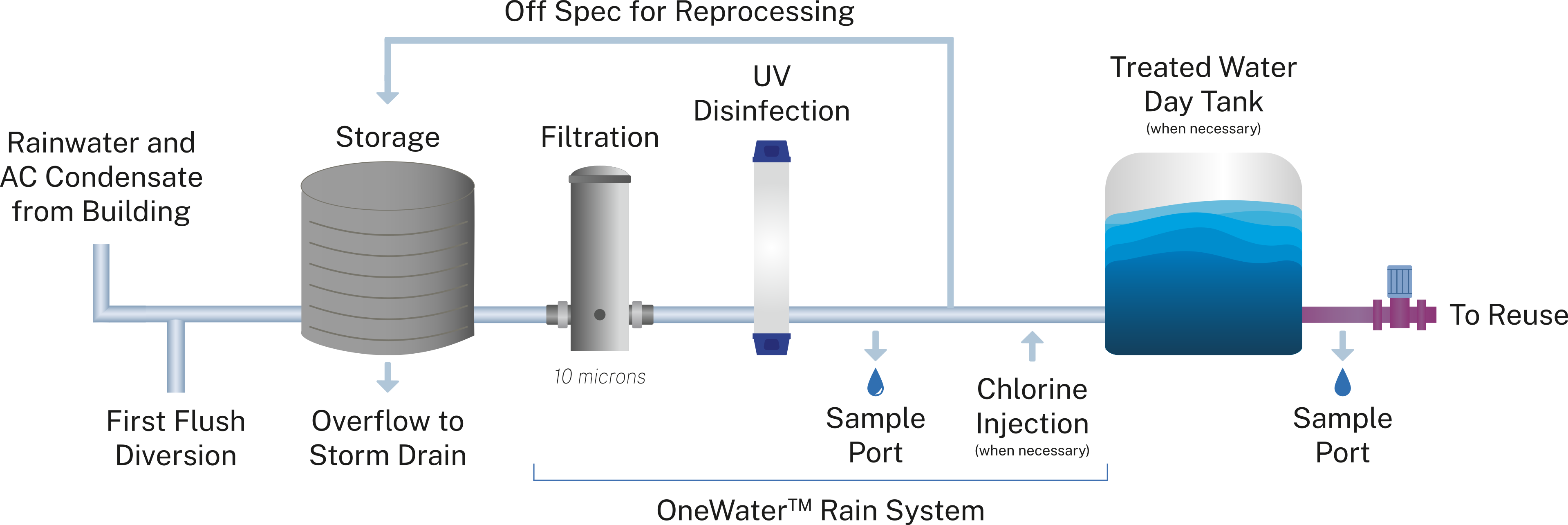
A typical treatment process for rainwater serving indoor non-potable uses may include prefiltration, storage, filtration, and ultraviolet disinfection. The treatment requirements for a rainwater and condensate system vary by jurisdiction and end use. Contact us to learn what’s required for your project.

For rainwater and condensate systems serving irrigation or cooling tower makeup, there may be reduced treatment requirements.

OneWater Rain treatment process flow

What are the design considerations?

There are multiple design considerations that must be weighed for these systems. The main consideration is the seasonal nature of rainwater and condensate supply. The project can choose to size the cistern to maximize rainwater capture during the rainy season, but that would likely mean the cistern will be oversized for most of the year. The project would typically optimize cistern size to balance first cost and footprint against rainwater capture. However, there are some instances where a jurisdiction may require rainwater capture sized for a specific storm event. Connect with Epic to learn more about the specific requirements in your project’s area.

What is the regulatory landscape for onsite rainwater and condensate reuse?

The regulatory landscape for rainwater reuse is typically favorable. Rainwater reuse for non-potable application is allowed by both the Uniform Plumbing Code and the International Plumbing Code, which are the major governing codes for the United States. There may be specific considerations per jurisdiction based on climate or infrastructure capacity. Research into local codes will always be the first step in designing an onsite reuse system. There may also be grants or funding options available for projects that decide to implement rainwater or condensate reuse. 

Learn more about the regulatory landscape of water reuse projects.

See how Epic has helped other rainwater reuse projects