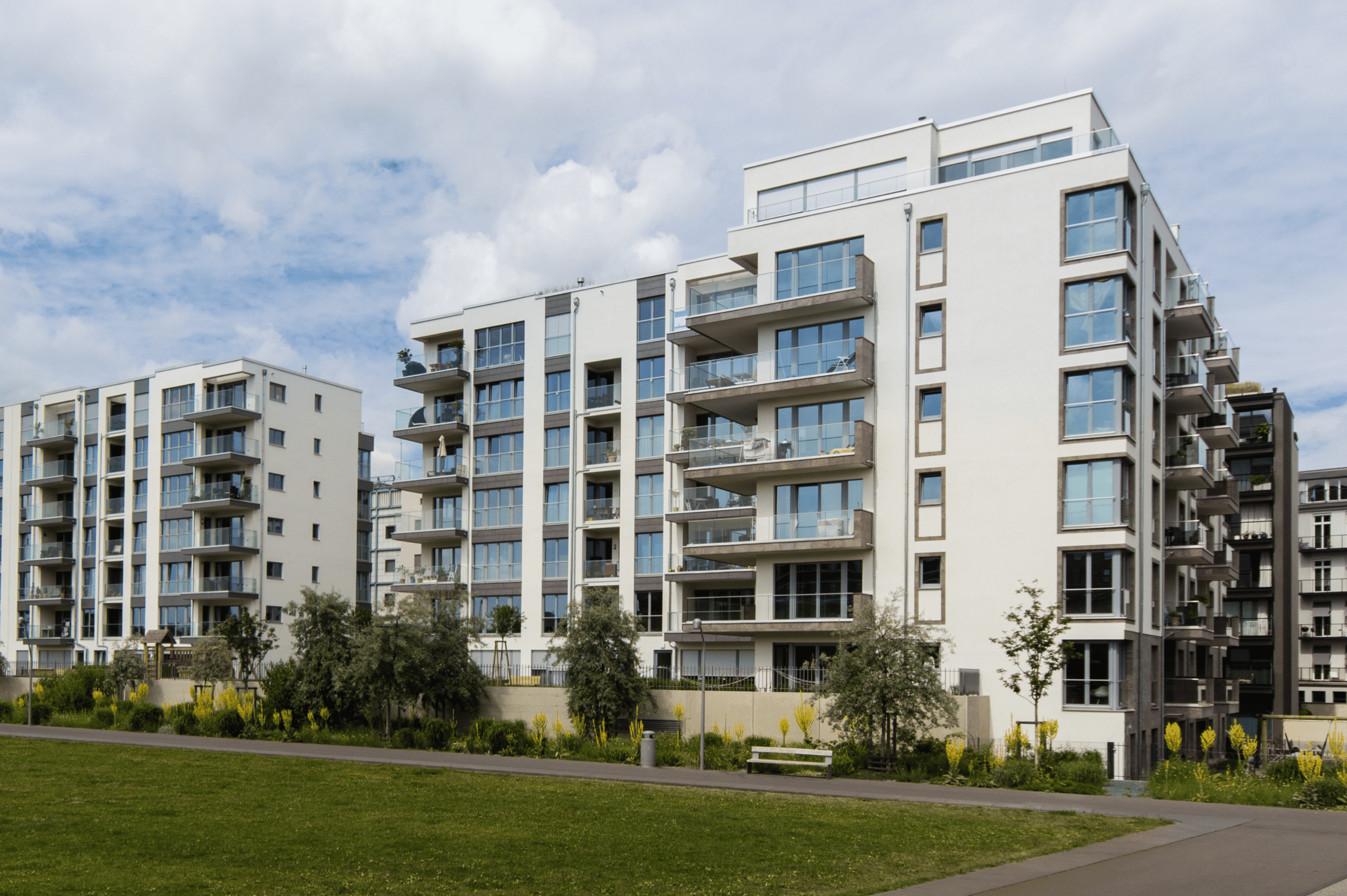
Rising utility costs in affordable housing

Protect your pro forma from rising water and sewer rates

Affordable housing pro formas have almost no room to absorb a surprise. Rents are capped by regulatory agreements, equity is scarce, and operating expenses are the one line you can still influence. Water and sewer costs used to be predictable. They are not anymore.

The American Society of Civil Engineers graded U.S. wastewater infrastructure a D+ in its 2025 report card, and cities are funding repairs through multi-year rate escalations. Los Angeles sewer charges are set to rise roughly 106% between 2024 and 2028. Honolulu's will climb about 115% by 2035. San Diego's cumulative rates will rise 92% by 2029. Those increases land on your operating budget, and unlike most expenses, there is no mechanism to negotiate them down.
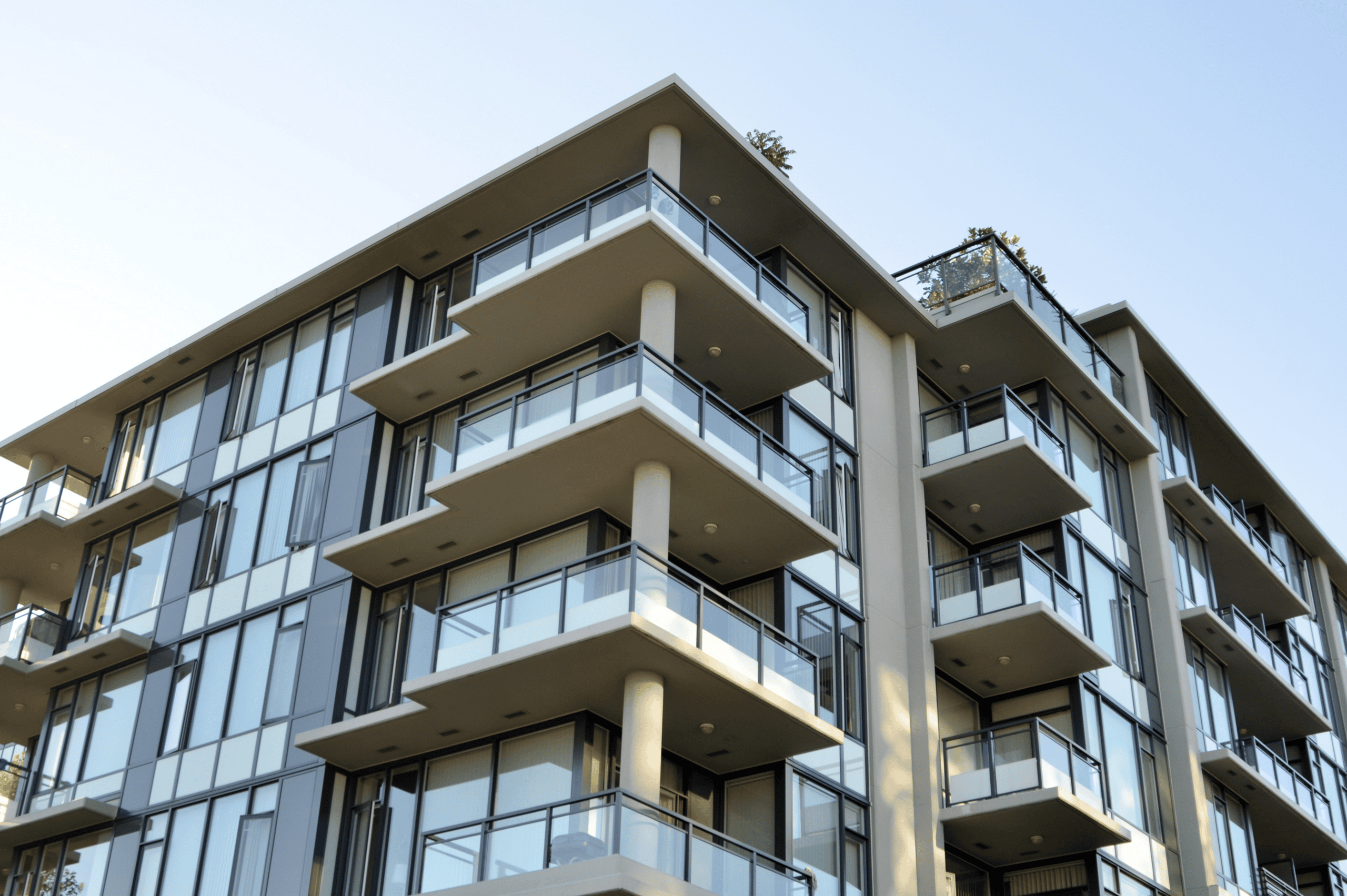

Affordable housing complex

Assess potential water savings

in affordable housing developments

Request a free assessment to get a general cost estimate, area requirement, and water savings potential for your affordable housing project. Learn what the payback period, grant eligibility, and return on investment would look like with onsite water reuse.

Request a Free Project Assessment
affordable housing buildings

Facts & stats on NOI and water reuse

How water reuse raises NOI and unlocks more debt

Every dollar you cut from water and sewer costs becomes a dollar of NOI. On a 1,000-unit LA development, scheduled sewer increases alone add roughly $318,000 in annual costs by 2028. Reducing that exposure improves the pro forma immediately and compounds as rates rise. Learn how onsite water reuse changes the math.

This matters twice in affordable housing. Lenders size debt against NOI using a debt service coverage ratio, so a $50,000 annual utility reduction can support several hundred thousand dollars in added debt capacity, capital you don't have to raise through equity or subsidy. That same $50,000 adds roughly $1 million in asset value at a 5% cap rate, strengthening the deal for investors and public agency partners alike. Learn more in our white paper. 

Download NOI White Paper

Benefits of onsite water reuse in affordable housing

Why use Epic's water reuse technology in affordable housing

Epic's OneWatersystem recycles up to 95% of a building's wastewater onsite and returns it as high-quality reclaimed water for toilet flushing, irrigation, laundry, and cooling. In a typical multifamily building, those non-potable uses account for 40% to 55% of total water demand.


On affordable housing projects, the Epic team serves as a single point of accountability to reduce project cost risk by overseeing all aspects of the process, including design, engineering, permitting & regulatory approvals, grant application support, building integration, coordination of the installation process, and ongoing O&M.


Learn About Epic's Full Recovery Solution


  • Reduce water and sewer costs by up to 75%, with savings that grow as municipal rates climb
  • Grant and incentive support, including Austin Water reimbursements of up to $1.5 million for qualifying affordable housing projects
  • Stronger competitive scoring, from CTCAC threshold basis limit increases in California to sustainability points under New York's HCR guidelines and Enterprise Green Communities water credits
  • Recovered heat energy that can offset roughly 10% of a project's energy use, plus natural soil products for landscaping
  • Remote monitoring and ongoing O&M, so your property management team is not absorbing a new operating burden

Keep scarce capital in the deal

Under Epic's DBOOM model, Epic designs, builds, owns, operates, and maintains the system, and the project pays a predictable service fee instead of an unpredictable utility bill.

No upfront capital

Clean LIHTC basis

Predictable operating costs