The products you use might be made with recycled water

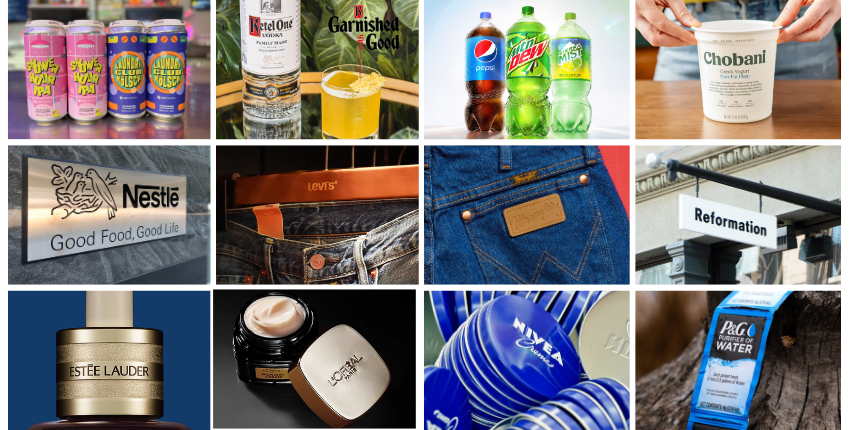
What if recycled water wasn’t seen as something unusual, but simply another resource helping create the products we use every day? The reality is that this is already happening. Across food and beverage, fashion, and personal care, recycled water has quietly become part of the production chain as a practical response to a resource under increasing strain.
The brands leading this shift aren’t making a spectacle of it. They’re simply building different systems. And the more we see recycled water integrated into everyday products, the more it shifts from being novel to normal. Here’s a look at who’s doing it and how.
Food & Beverage
Epic Cleantec × Devil’s Canyon Brewing Company

Possibly the most vivid demonstration of recycled water’s potential, Epic Cleantec partnered with California’s Devil’s Canyon Brewing Company to create Shower Hour IPA and Laundry Club Kölsch — commercially available beers brewed with highly purified water recovered from the showers and washing machines of Epic Cleantec’s projects. The water undergoes advanced treatment before entering a standard craft-brewing process that further purifies it, producing a product cleaner than tap water in many cities. The beers are available at major retailers across California and several other states.
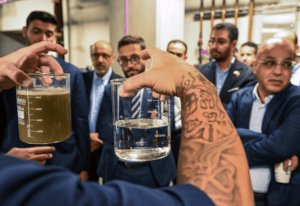
Epic’s VP of Water Reuse Operations shows the cleaning power of the OneWaterTM Reuse system.
Ketel One (Nolet Distillery × Diageo)

Ketel One’s parent operation, the Nolet Distillery in Schiedam, Netherlands, has woven sustainability into its centuries-old craft. The distillery operates the world’s largest windmill-style wind turbine to power production and pursues water management and recycling as part of Diageo’s broader stewardship commitments — treating, recycling, and reusing water throughout the spirits-making process.
PepsiCo
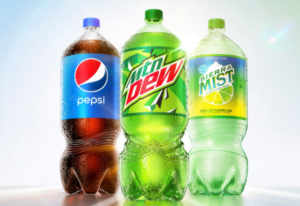
Across its global manufacturing network, PepsiCo deploys advanced water-efficiency and recycling programs to reduce its dependence on freshwater sources. The company has set targets to improve water-use efficiency and replenish water supplies in high-risk watersheds, with recycled water playing a central role in how its plants operate day-to-day. Read more about their water reuse partnership with Aquacycl here.
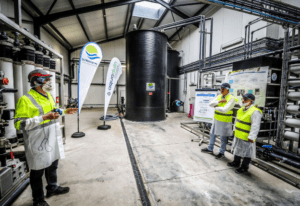
PepsiCo to further reduce water use in chips production.
Chobani
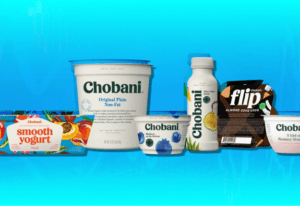
Greek yogurt production generates a liquid byproduct called acid whey, and Chobani turned that challenge into an opportunity for water recovery. At its Twin Falls, Idaho facility, a reverse-osmosis filtration system separates pure water from the whey, which is then reused within the plant for sanitation. The system cut the facility’s municipal water purchases by roughly 20%, saving an estimated 170,000 gallons per day.
Nestlé
Several Nestlé facilities recover and reuse water naturally found within ingredients, such as milk, during processing. Rather than drawing additional freshwater for these steps, the company extracts and recirculates moisture already present in its raw materials, further reducing reliance on external sources while maintaining production efficiency.
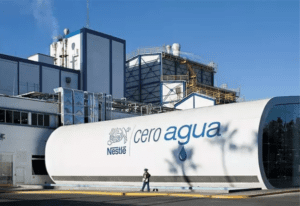
Nestle seeks to improve water use efficiency in their factories, monitoring water withdrawals and water quality in all locations.
Fashion & Apparel
Levi’s
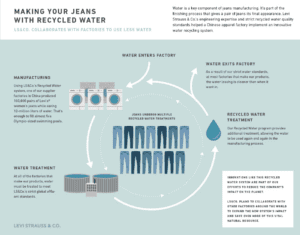
Denim finishing is one of the most water-intensive stages of clothing production. Through its Water<Less® program, launched in 2011, Levi’s developed more than 20 manufacturing techniques that reduce water use by up to 96% during finishing. To date, Levi’s has saved more than 3 billion liters of water and recycled an additional 5 billion liters. The company has also pioneered an industry-first Water Reuse & Recycling Standard, and its South Africa facility runs entirely on recycled municipal water.
Wrangler (Kontoor Brands)

Wrangler’s Indigood® foam-dyeing technology replaces conventional water-based indigo dyeing with a foam process that uses at least 90% less water and, in some applications, eliminates it entirely during dyeing. Since 2008, Wrangler’s cumulative water savings across its finishing operations have exceeded 7 billion liters.
Reformation

Reformation builds resource-conscious manufacturing into its operations, incorporating recycled water, low-impact materials, and renewable energy. The brand publishes sustainability reports detailing water use per garment and continues to refine its production practices, with water efficiency as a core metric.

Beauty & Personal Care
Estée Lauder Companies

Across its global manufacturing operations, Estée Lauder Companies has advanced water reuse and recycling initiatives, with targets aligned with its long-term sustainability commitments. These include reducing freshwater withdrawals at manufacturing sites and working toward greater circularity in how water flows through production.
L’Oréal

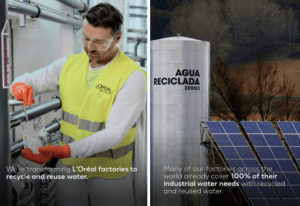
L’Oréal has invested heavily in “Waterloop Factories” — facilities where water used for industrial processes is treated on-site and recirculated in a closed loop. As of 2025, 56% of water used in its industrial processes comes from recycled or reused sources, and the company aims to make all factories Waterloop facilities by 2030. L’Oréal has received CDP’s top Triple AAA water score for ten consecutive years.
NIVEA & Eucerin (Beiersdorf)
Beiersdorf, the parent company behind NIVEA and Eucerin, is implementing water circularity programs across its global production facilities. These include water recycling initiatives and broader goals to reduce freshwater consumption at manufacturing sites.
Procter & Gamble
P&G has deployed water reuse and recycling programs across its global production facilities, reducing freshwater consumption at scale. The company’s water stewardship strategy includes both onsite recycling systems and partnerships focused on restoring water access in water-stressed communities.

What this collection of brands illustrates isn’t a trend; it’s infrastructure being quietly built, product by product, facility by facility. Recycled water is already in your beer, your jeans, your skincare, and even your yogurt. The technology exists. The standards are being set. The only thing still catching up is perception.
As water stress intensifies globally, the companies treating water as a resource to be cycled rather than consumed and discarded will define what responsible production looks like. That future is already being bottled, stitched, and stocked on shelves.
Inspired to add water recycling into your next project? Reach out to us and receive a free project water use assessment.